
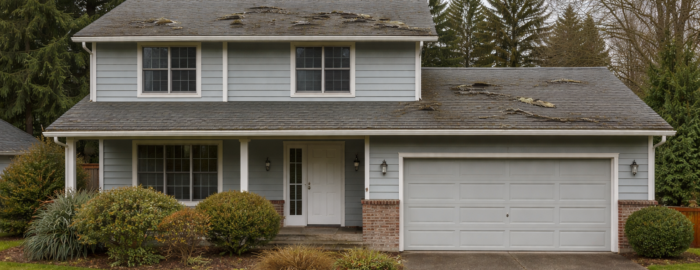
Selling a home in King County, Snohomish County, or anywhere in the Puget Sound area can be exciting — but what happens if you discover a major repair is looming? A damaged roof, deferred maintenance, or structural concern can raise real questions about whether you should fix the issue before listing, disclose it and provide allowances, or explore creative alternatives.
One thing is certain: buyers will notice major problems. And in a competitive Seattle area real estate market, addressing those issues strategically can make the difference between a smooth sale and a deal that stalls, prices drops, or falls through inspection.
If your home needs a roof replacement (or similarly costly repair), here’s a practical guide to your options — and how to decide what’s right for you.
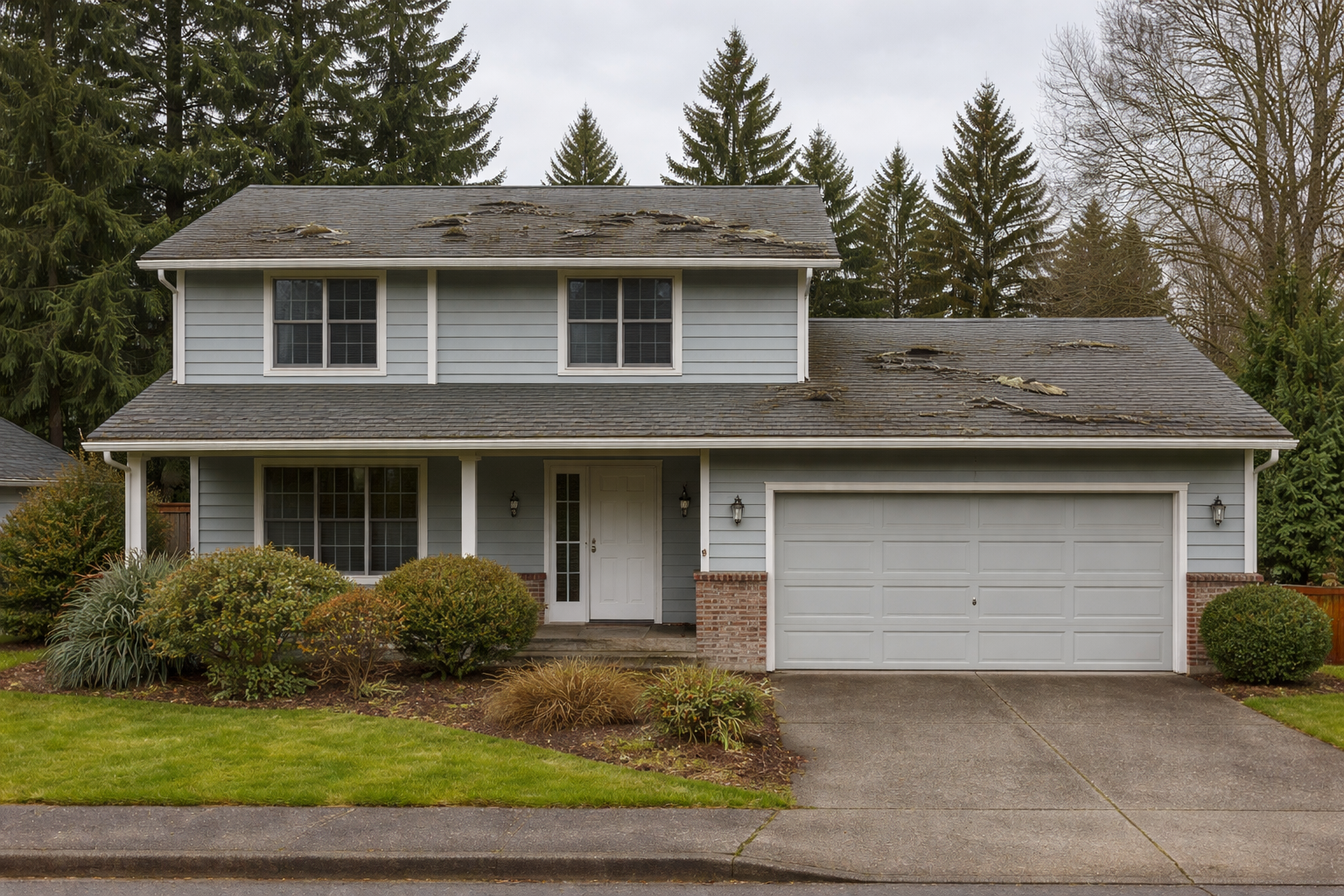
Option 1: Repair the Issue Before Listing Out-of-Pocket
How it Works
You hire a licensed contractor, complete the repair (like replacing a roof), and then list your home as “move-in ready” without outstanding structural concerns.
Pros
- Higher Buyer Confidence: A buyer sees a newly replaced roof and fewer inspection concerns.
- Cleaner Appraisal: Appraisers tend to value homes higher when major systems are new or in good condition.
- Fewer Negotiation Roadblocks: Sellers often receive stronger offers — and less risk of buyers asking for large credits.
- Marketing Advantage: You can market the home as recently updated, which attracts more showings.
Cons
- Upfront Cost: Major repairs like a roof can run $10,000–$20,000+ in the Seattle area, depending on size and materials.
- Timing: Repairs take time, which may delay your listing.
- No Guarantee of Full Cost Recoup: In some markets, repair costs may not translate dollar-for-dollar into increased sale price, especially if comparable homes in your neighborhood are older or similarly maintained.
Who This Works For
This option is ideal for sellers who:
- Have the financial flexibility to pay now
- Want to maximize sale price and minimize negotiation friction
- Are targeting mid- to upper-end buyers who expect move-in ready condition
- Live in areas (like parts of King and Snohomish County) where buyers are willing to pay premiums for stand-out condition
Reputable real estate sites like Zillow and HomeLight often recommend making visible repairs before selling when possible, because buyers pay more attention to condition than to future potential. Listing a home with a brand-new roof, for example, sends a powerful message of quality and care.
Option 2: Provide a Repair Credit or Allowance in the Deal
How it Works
Rather than fixing the roof yourself, you disclose the need for a repair and offer a credit at closing — effectively reducing the buyer’s sale price or giving them funds to address the repair after purchase.
Pros
- Avoids Upfront Expense: You’re not paying contractors before sale.
- Keeps Listing Moving: No need to delay the sale waiting for repair completion.
- Flexibility: Buyers can choose their contractor and materials after closing.
Cons
- Lower Offers Likely: Buyers typically discount offers to account for the cost and risk of repairs.
- Negotiation Complexity: You have to agree on a fair credit amount; buyer may ask for more.
- Perceived Risk: Buyers may worry about other deferred maintenance issues if a major system needs work.
Who This Works For
This option is a good fit when:
- You don’t have the cash to fund repairs
- The market is active and buyers are willing to negotiate
- You’re okay with a slightly lower net proceeds in exchange for convenience
Real estate experts advise that if you go this route, clear documentation from a contractor estimating repair costs is essential. This clarifies expectations and can prevent buyers from making inflated credit demands for unknown fixes.
Option 3: Find a Realtor Who Offers “Pre-Sale Repairs” Programs
Some listing agents and brokerages offer programs where the agent fronts the cost for repairs before listing, and you pay the cost back at closing. These programs – sometimes called “home improvement pay-later” options — help sellers avoid out-of-pocket expenses upfront.
Pros
- No Upfront Money Needed: Repairs happen now, payment happens later.
- Can Improve Buyer Response: Homes that show well often perform better in market exposure.
- Time Efficient: Coordinated repairs can be done while other listing preparations occur (staging, photography, marketing).
Cons
- Eligibility Requirements: Not all sellers qualify (credit history, equity in home, etc.).
- Fees or Interest: There may be added costs for the convenience.
- Limited Participation: Not all agents offer this, and scopes of repair may be limited.
This is an increasingly popular strategy for owners who want a top-to-bottom listing presentation without fronting cash. When discussing representation with a Realtor, always ask whether they have pre-sale repair assistance programs or partnerships with financing partners.
Option 4: Sell “As-Is” with Full Disclosure
How it Works
You list the home in its current state and disclose known issues — like the need for a roof replacement — but don’t repair or provide a credit.
Pros
- Simplicity: You don’t spend time or money on repairs.
- Fewer Upfront Decisions: Buyers accept condition as is.
- Potential for Faster Sale: Some buyers (especially investors) seek homes that are priced accordingly.
Cons
- Lower Offers Almost Certain: Buyers will heavily discount based on repair costs and perceived risk.
- Reduces Buyer Pool: Many buyers seeking move-in ready homes will skip “as-is” listings.
- Buyer Inspection Risk: Buyers can request concession after inspection if they discover unforeseen issues.
As Realtor.com and similar sites note, selling a house “in as-is condition” can work in certain markets — especially if buyers are investors or flippers — but most traditional homebuyers prefer move-in ready homes, particularly in King County and Snohomish County markets where competition and buyer expectations are strong.
Option 5: Combine Strategies — Repair Key Items & Credit Others
For many sellers, the best solution isn’t all-or-nothing. A blended approach often delivers the best results.
Example
- Repair the roof before listing (boosting curb appeal and marketability)
- Offer a smaller credit for items like HVAC or cosmetic upgrades
This approach keeps buyers comfortable with structural soundness while acknowledging other imperfections.
Why It Works
Buyers weigh risk and reward. A new or recently replaced roof removes one of the biggest inspection red flags, while smaller allowances show a willingness to cooperate without eroding your sale price too much.
How to Decide What’s Right for You
Here are the key questions to evaluate:
✅ How much equity do you have?
More equity gives you flexibility to pay for repairs out-of-pocket or exercise alternative strategies.
✅ How quickly do you want to sell?
Repairs typically slow timelines, while credit/allowance approaches can speed sale.
✅ What does your local market look like?
Active markets (like many neighborhoods in Seattle, Bothell, or Everett) can tolerate lower condition homes; slower ones may reward top condition.
✅ What does your inspection reveal?
A contractor’s estimate helps determine whether repair, credit, or as-is pricing makes sense.
Conclusion: You Don’t Have to Navigate This Alone
Dealing with a major repair like a roof replacement when you’re planning to sell can feel overwhelming. But with the right strategy, you can turn what feels like a hurdle into a smart selling advantage — if you know your options.
Whether you plan to fix now, provide a credit later, leverage pre-sale repair programs, or take a hybrid approach, the Grant Team at RE/MAX Elite can help you evaluate the best path forward.
Contact The Grant Team Properties today to discuss your home’s condition, estimated repair costs, and which strategy will maximize your sale price and timing in the current Seattle, King County, or Snohomish County real estate market. We’ll help you make informed decisions — without wasting money or losing momentum.