
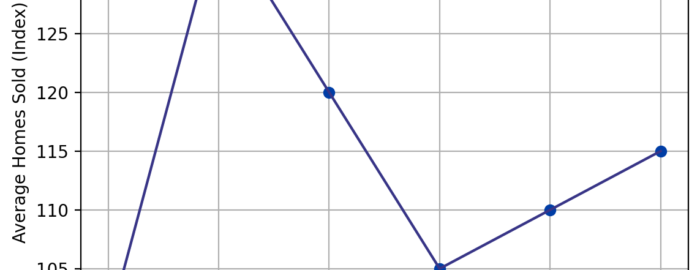
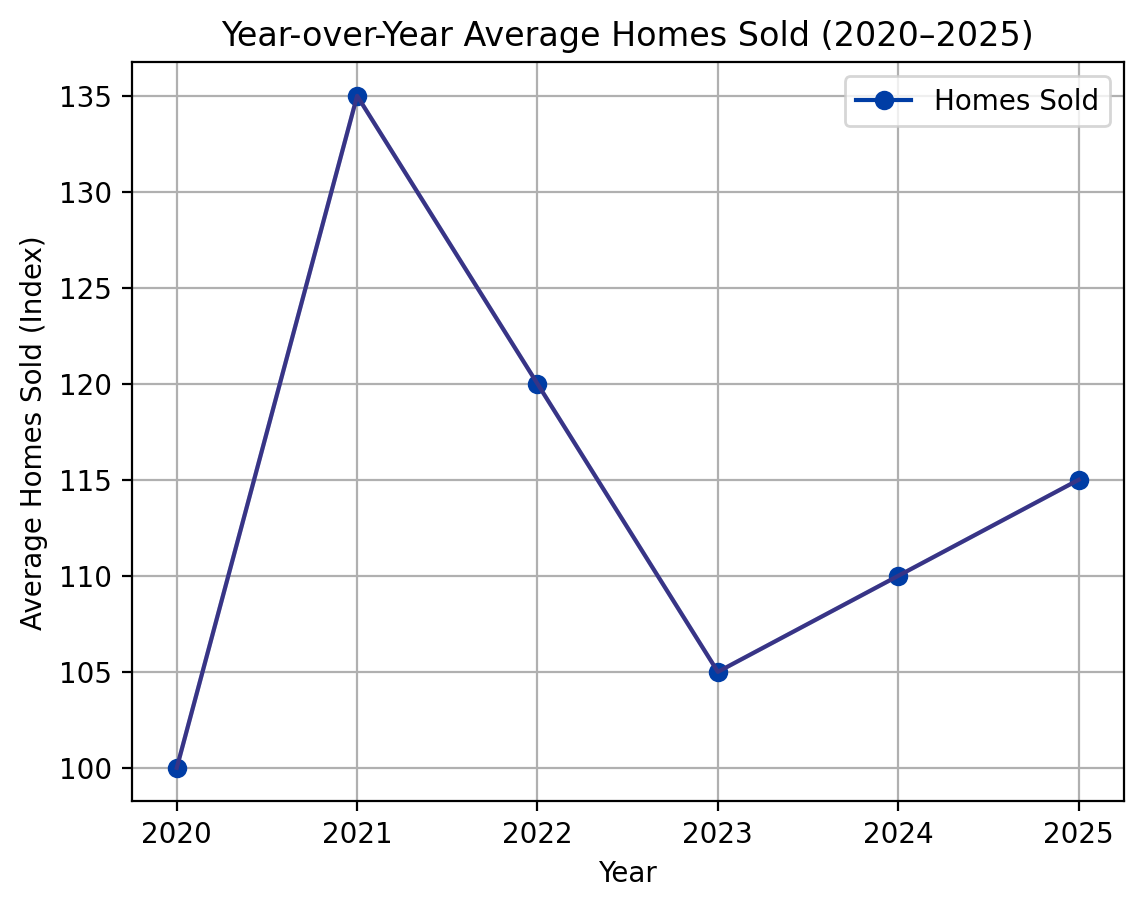
In recent years, the real estate market has moved through some dramatic phases—first the pandemic-driven boom with record-low interest rates and intense competition, then a period of rapid cooling as borrowing costs rose and buyers stepped back. Now, many markets across the country are entering what professionals call a “normalizing” real estate market.
At Grant Team Properties with RE/MAX Elite, we’re hearing this question frequently from both buyers and sellers: What does a normalizing market actually mean, and how should I approach real estate decisions differently this year? Let’s break it down.
What Does a “Normalizing” Real Estate Market Mean?
A normalizing market is essentially a return to more balanced conditions after an extreme period—either very hot or very slow. During the peak seller’s market of the last few years, homes often received multiple offers within days, many selling far above the asking price with waived inspections and appraisal gaps. That kind of activity was not typical historically.
A normalizing market usually includes several key changes:
1. Inventory Begins to Increase
More homes come onto the market compared to the ultra-low supply we saw during the peak seller’s market. Buyers have more choices, properties may take longer to sell, and the homes that sell often stand out compared to their competition.
2. Homes Stay on the Market Longer
Instead of selling in a weekend, homes may take a few weeks or even a couple of months to find the right buyer. This is closer to traditional market timelines.
3. Negotiations Return
In the hottest markets, buyers had very little negotiating power. In a normalizing market, negotiations over price, repairs, and concessions become more common again.
4. Price Growth Stabilizes
Home values may still rise in many areas, but the rapid spikes we saw before often slow down. In some neighborhoods, prices flatten or adjust slightly before stabilizing.
5. Financing Matters More
When competition cools, buyers rely more on financing approvals, inspections, and appraisals rather than all-cash or aggressive offers dominating every deal.
A normalizing market doesn’t mean the market is bad—it means it’s becoming more balanced between buyers and sellers.
Why the Market Is Normalizing Right Now
Several factors are contributing to this shift:
- Mortgage interest rates remain higher than the historic lows seen earlier in the decade.
- Some homeowners who delayed selling are finally listing their properties.
- Buyers are adjusting budgets and expectations.
- Economic uncertainty has encouraged more cautious decision-making.
The result is a market that requires more strategy and preparation from both sides of the transaction.
How Sellers May Need to Think Differently This Year
If you’re planning to sell a home this year, the biggest adjustment is understanding that a normal market rewards proper pricing and presentation more than timing alone.
Here are some key strategies sellers should consider.
Price Matters More Than It Did Before
In the peak seller’s market, homes could be priced aggressively and still receive multiple offers. In a normalizing market, overpricing can cause a property to sit on the market, which may ultimately lead to price reductions, languishing on the market, and ultimately getting less money when it’s all said and done.
Today’s buyers are more analytical and often compare homes carefully before making an offer.
First Impressions Are Critical Again
When inventory increases, buyers have options. Homes that are well-prepared tend to stand out.
This means:
- Professional photos
- Clean and decluttered spaces
- Minor repairs completed
- Strong marketing exposure
The goal is to ensure buyers feel confident about your home from the start.
Expect Negotiations
Sellers should be prepared for:
- Repair requests
- Inspection contingencies
- Possible closing cost assistance
- More thoughtful offer discussions
This is a normal part of a balanced market and doesn’t necessarily mean your home isn’t desirable.
Patience Can Pay Off
Instead of expecting instant offers, sellers may benefit from allowing the right buyer time to emerge. Proper exposure and marketing often make the difference.
How Buyers Should Approach the Market Now
For buyers, a normalizing market can actually present new opportunities compared to the extremely competitive environment of recent years.
You May Have More Choices
With more listings coming to market, buyers can compare properties rather than feeling pressured to make immediate decisions.
This can help buyers:
- Find better neighborhood fits
- Evaluate long-term investment value
- Avoid rushed purchases
Negotiation Opportunities Are Returning
Buyers may be able to negotiate on:
- Price
- Repairs
- Seller-paid closing costs
- Rate buy-downs
These types of concessions were much harder to obtain during the peak seller’s market.
Interest Rates Change the Math
While rates may be higher than in the past, buyers should consider the bigger picture. In some cases, less competition can offset higher borrowing costs.
Also, many buyers forget an important strategy: You can refinance later if rates drop, but you cannot go back and buy at yesterday’s home prices.
Focus on Long-Term Value
In a normalizing market, successful buyers often think less about short-term price swings and more about:
- Location
- Property condition
- Future appreciation potential
- Lifestyle needs
Real estate remains a long-term investment for most homeowners.
What This Means for the Local Market
Although national trends provide context, real estate is always local first. Some neighborhoods remain highly competitive, while others have clearly shifted into a balanced market.
In many areas, we’re seeing:
- Moderate price stability
- Increased buyer activity compared to late last year
- Sellers adjusting expectations
- More thoughtful transactions overall
This type of environment often creates healthier real estate conditions where both buyers and sellers can make informed decisions.
The Biggest Mindset Shift This Year
Perhaps the most important takeaway is this:
The strategy that worked two years ago may not work today.
Sellers need to think like marketers and price strategically.
Buyers need to think like investors and negotiate wisely.
In many ways, a normalizing market actually rewards preparation, good advice, and smart decision-making more than a frenzy-driven market ever did.
Final Thoughts
A normalizing real estate market is not a downturn—it’s a transition toward balance. For buyers, it can mean better opportunities and less pressure. For sellers, it means strategy and presentation matter more than ever.
If you’re considering buying or selling this year, understanding how the market is shifting can make a significant difference in your outcome.
At Grant Team Properties, we help clients navigate these changes every day, ensuring they move forward with clarity and confidence in today’s evolving real estate landscape. Call us at 425.483.4200 to start talking about your specific timeline, today!